Category: Travel

  • How to skip the tourist traps and find the Istanbul latest attractions instead

    How to skip the tourist traps and find the Istanbul latest attractions instead

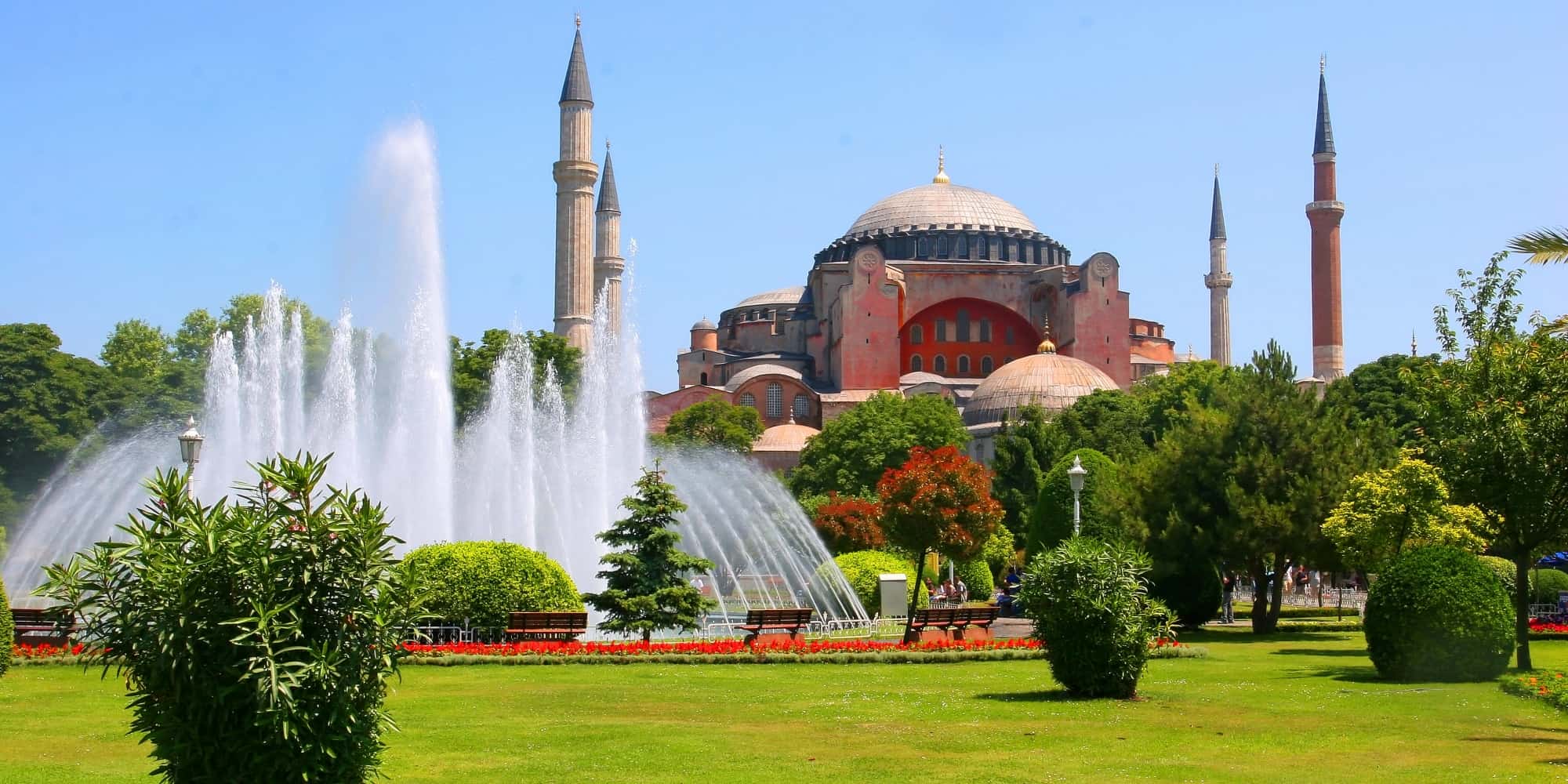
    I’ve always had a love-hate relationship with travel guides. Most of the time, they’re written by people who visited once five years ago and just keep updating the dates on the cover to make it look current. When I landed in Istanbul last month, I realized how much I’d been missing by following those dusty old recommendations. It’s my fourth time in the city, and yet, everything felt brand new. I remember standing near the old spice bazaar, feeling that familiar crush of people, and thinking, “Is this it?” But then I took a turn I hadn’t taken before. I ended up in a neighborhood that looked nothing like the Istanbul I remembered from a decade ago. It was cleaner, sharper, and filled with a quiet energy that felt very different from the usual crowded spots. I’ve learned that this city doesn’t just sit still. It’s constantly shedding its old skin and building something better. And if you aren’t paying attention, you’ll spend your whole trip looking at things that have been photographed a million times, missing the real pulse of the place right now.

    My biggest mistake in the past was sticking to the historic center and never venturing out. This time, I made it a point to hunt down the Istanbul latest attractions that locals are actually talking about on social media. I spent a whole morning at the new Galataport, and I have to say, it’s one of the most impressive waterfront developments I’ve seen anywhere lately. But it’s not just the fancy malls or the high-tech cruise terminals. It’s the way they’ve opened up the coastline for everyone to walk. I also found myself at the newly renovated libraries and art spaces in areas like Fatih, which used to be purely residential and traditional. It’s a lot to wrap your head around because the city is so massive. But when you find a spot like the Gasometer cultural center, you realize how hard the city is working to stay modern. It’s not about ignoring the history; it’s about seeing how that history is being woven into the contemporary world. You get this weird, beautiful mix of centuries-old stone and sleek, minimalist glass. It’s confusing, loud, and sometimes a little frustrating to navigate, but it’s never boring.

    If you’re heading that way soon, please don’t pack your schedule too tight. I see so many people running from one landmark to the next with their phones out, barely looking at what’s in front of them. It’s a tragedy. Or they get stuck in a taxi for three hours because they didn’t want to try the ferry system. My best days were the ones where I had no plan at all. I’d just pick a new district, get off the boat, and start walking. Sometimes I’d find a hidden garden, and other times I’d end up at a local market where no one spoke a word of English. That’s the real Istanbul. It’s a city that rewards the curious and punishes the impatient. And don’t worry if you don’t see everything on your list. You won’t. I’ve accepted that I’ll probably need another ten trips to even scratch the surface of what’s happening there. But that’s the draw, isn’t it? It’s a place that keeps you coming back because it’s never the same twice. Just wear comfortable shoes and be ready to drink way more tea than you ever thought possible. Or coffee. Just go.
  • How Sicily Became the Cultural Crossroads of the Mediterranean

    How Sicily Became the Cultural Crossroads of the Mediterranean

    The transition from the azure waters of the Tyrrhenian Sea to the golden, sun-drenched temples of Agrigento represents a journey into the heart of a Mediterranean identity that is as complex as it is ancient. Sicily is not merely an island; it is a profound historical palimpsest where the narratives of the East and West have overlapped for three millennia. Because of its central position, it served as the ultimate strategic “stepping stone” between Europe and Africa, a reality that invited waves of settlers from Phoenician traders and Greek colonists to Arab emirs and Norman kings to leave their indelible marks on its soil.

    Selecting from the diverse Sicily vacation packages allows for a curated navigation of this cultural mosaic, moving beyond the bustling markets of Palermo to the silent, rock-cut necropolises of Pantalica. As you stand before the glittering Byzantine mosaics of Monreale, the experience of a trip to Sicily Italy becomes a masterclass in a unique form of “globalization” that occurred centuries before the modern era. This is a region where history is not found in a textbook but is tasted in the North African influence of a Trapanese couscous and seen in the Islamic-style muqarnas ceilings of a Christian chapel.

    The structural beauty of a Sicilian itinerary lies in the proximity of these contrasting worlds. Many travelers find that coordinating their journey through a specialist like Travelodeal ensures they can traverse the island’s varied landscapes from the volcanic slopes of Mount Etna to the Baroque elegance of the Val di Noto with logistical ease. The goal is to spend a morning among the Doric columns of a Greek colony and an afternoon exploring a Roman villa famous for its “bikini girl” mosaics. Sicily vacation packages offer the most enduring value when they treat the island as a conversation between civilizations, inviting you to listen to the “joyful noise” of a culture that has mastered the art of hybridity. A trip to Sicily Italy is most rewarding when it embraces this crossroads status, following the threads of trade and conquest that turned the island into the Mediterranean’s greatest cultural archive.

    The Greek Legacy: Magna Graecia’s Golden Age

    In the 8th century BCE, Greek colonists arrived on Sicily’s eastern and southern shores, founding cities like Syracuse and Agrigento that would eventually rival Athens in wealth and power. Today, the Valley of the Temples stands as one of the world’s most significant examples of Greater Greek architecture. The Temple of Concordia, remarkably preserved for over 2,500 years, offers a silent testament to a time when Sicily was a center of philosophy, drama, and democratic ideals.

    For the traveler, exploring these sites provides a sense of the sheer scale of ancient ambition. Moving through the massive Greek theater in Syracuse where the works of Aeschylus were once performed one understands how the island became a lighthouse of classical culture in the western Mediterranean.

    The Arab-Norman Fusion: A Medieval Miracle

    Perhaps the most unique chapter of Sicily’s story is the 12th-century “Golden Age” under the Norman kings. After centuries of Arab rule, the Normans absorbed the existing Islamic and Byzantine administrations rather than erasing them. This created a hybrid “Arab-Norman” style that is found nowhere else on earth.

    In Palermo, the Cappella Palatina inside the Norman Palace is a dizzying synthesis: Latin architecture, Byzantine gold mosaics, and a carved wooden ceiling created by North African Arab craftsmen. This era of enlightened tolerance saw scholars translating Greek and Arabic texts into Latin, turning Sicily into a bridge of knowledge that helped spark the European Renaissance.

    The Baroque Rebirth of the Southeast

    In 1693, a devastating earthquake leveled much of southeastern Sicily. In response, the local nobility and clergy rebuilt the towns of Noto, Ragusa, and Modica in a unified, sweeping “Sicilian Baroque” style. This movement transformed the region into a theatrical landscape of curved facades, ornate balconies, and honey-colored stone cathedrals.

    Wandering through these towns today feels like walking onto a grand film set. The architectural consistency of the Val di Noto is a reminder of Sicilian resilience—a culture that has consistently taken the ruins of the past and reimagined them into something even more spectacular.

    A Landscape of Encounter

    Sicily is a destination that demands you look closer at the details the Arabic roots of a street name, the Spanish flair of a local festival, or the Greek methods still used by coastal fishermen. It is an island that proves that the most vibrant cultures are those that are open to the world. By exploring its crossroads, you gain a perspective on history that is both global and intimately local. It is a reminder that while empires may rise and fall, the “dialogue between worlds” continues in every piazza and market, leaving you with a sense of wonder that is as timeless as the Mediterranean itself.

  • Hidden Trails & Timeless Towns You’ll Never Forget

    Hidden Trails & Timeless Towns You’ll Never Forget

    Nestled within the folds of nature and history, hidden trails and timeless towns offer an enchanting escape from the hustle and bustle of modern life. These secluded gems promise not only breathtaking landscapes but also a glimpse into a world where time seems to stand still, inviting travelers to embark on journeys filled with wonder and discovery.

    As you set foot on these hidden trails, each step becomes a dance with nature’s untouched beauty. Winding paths lead through dense forests where sunlight filters through the canopy, casting dappled shadows on the forest floor. The air is crisp and invigorating, carrying with it the scent of pine needles and earth. Birds sing their melodious tunes as if welcoming you into their serene abode. Along these trails, one might stumble upon cascading waterfalls that tumble over ancient rocks or encounter tranquil streams that meander gently through lush valleys.

    These paths often lead to timeless towns tucked away in remote corners of the world. Stepping into such a town feels like opening a storybook from another era. Cobblestone streets wind between centuries-old buildings adorned with ivy-clad walls and flower-laden balconies. Timeworn churches stand proudly in central squares, their bells tolling softly in harmony with the rhythm of daily life.

    The people who inhabit these towns are as much a part of their charm as the architecture itself. Warm smiles greet visitors at every turn, accompanied by tales passed down through generations. Locals share stories of ancestors who once walked these very streets, weaving narratives that blend history with folklore.

    Cafés line quaint alleyways offering aromatic coffees paired perfectly with freshly baked pastries—a delightful pause for those wandering souls seeking respite from exploration. Artisan shops showcase handcrafted treasures reflecting both tradition and creativity; each piece tells its own tale crafted by skilled hands dedicated to preserving age-old techniques.

    Time moves differently here—unhurried yet purposeful—as if urging visitors to savor each moment fully without distraction or haste. Sunsets paint vibrant hues across expansive skies while stars emerge one by one against velvet darkness—a celestial display witnessed best far away from city lights’ glare.