Heating, Ventilation, and Air Conditioning (HVAC) systems are essential components of modern homes and commercial buildings. They ensure comfort by regulating indoor temperatures and maintaining air quality. However, the costs associated with HVAC installation can vary significantly based on several factors. Understanding these variables can help homeowners and businesses make informed decisions when planning for an HVAC system.
One of the primary factors influencing HVAC installation costs is the size of the system required. The size depends on the square footage of the building or home, as larger spaces require more powerful systems to effectively heat or cool the area. A professional assessment by an HVAC technician is crucial to determine the appropriate system size; installing a unit that is too small will result in inefficient performance, while an oversized unit may lead to unnecessary energy consumption and higher operational costs.
The type of HVAC system selected also plays a significant role in determining installation expenses. There are various types available, including split systems, ductless mini-splits, packaged heating and air conditioning units, and geothermal systems. Each type comes with its own set of advantages and price points. For instance, geothermal systems are highly efficient but come with a higher upfront cost due to read full article their complex installation process.
Geographical location impacts installation costs as well. In regions with extreme climate conditions—either very hot or cold—the demand for robust HVAC solutions increases both complexity and cost due to additional features necessary for efficiency under such conditions. Moreover, local labor rates differ across locations; urban areas often have higher labor costs compared to rural settings.
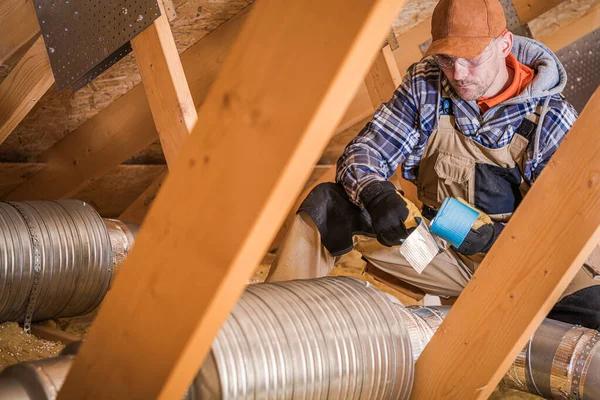
Another critical factor is whether existing ductwork can be utilized or if new ducts need to be installed during an upgrade or initial setup. Installing new ductwork increases both material and labor expenses significantly compared to using pre-existing infrastructure which might only require minor repairs or cleaning.
Energy efficiency ratings also influence total expenditures on HVAC installations. Systems with high Seasonal Energy Efficiency Ratios (SEER) tend to have higher upfront costs but offer long-term savings through reduced energy bills over time—a consideration worth noting for those prioritizing sustainability alongside economic concerns.