
Blog

  • Emergency Response for Burst Pipes and Water Damage

    Emergency Response for Burst Pipes and Water Damage

    Experiencing a burst pipe and subsequent water damage can be overwhelming, but prompt and effective emergency response is crucial to minimize harm and restore safety. The first step in handling such an incident is to quickly locate the main water shut-off valve and turn it off. This action stops the flow of water, preventing further flooding and reducing potential structural damage. If the source of the leak is visible, shutting off localized valves may also help control the situation temporarily until professional assistance arrives.

    Once the water supply has been cut off, it is important to assess any immediate electrical hazards. Water conducts electricity, so turning off power at the circuit breaker or fuse box can prevent electric shock or fire risks. Avoid touching wet appliances or outlets until you are certain that electricity is safely disconnected. Safety should always come first when dealing with water damage emergencies.

    After ensuring safety measures are in place, removing standing water as soon as possible helps limit long-term issues like mold growth or wood rot. Using mops, towels, buckets, or a wet/dry vacuum facilitates this process if conditions allow for safe access to affected areas. Opening windows and doors promotes air circulation which aids drying efforts but be cautious about weather conditions that could introduce more moisture inside.

    Documenting damage through photographs or videos before cleanup begins serves multiple purposes including insurance claims and repair planning. Contacting your insurance company promptly ensures you understand coverage details related to burst pipes and resultant damages. They often provide guidance on approved restoration services which can expedite recovery while avoiding unexpected out-of-pocket expenses.

    Calling a licensed plumber immediately after controlling initial flooding addresses underlying causes such as pipe deterioration or freezing issues that led to bursting. Professional plumbers diagnose problems accurately using specialized tools and recommend permanent repairs rather than temporary fixes which might fail later under pressure.

    Engaging with certified water damage restoration experts enhances recovery outcomes by employing advanced drying equipment like dehumidifiers and air movers designed for thorough moisture removal from walls, flooring materials, carpets, and furniture surfaces. These specialists also treat affected zones with antimicrobial agents to inhibit mold formation-a common complication following prolonged exposure to dampness.

    In addition to technical interventions, maintaining clear communication among household members during emergencies reduces panic while coordinating response actions efficiently minimizes property loss risk altogether. Preparing an emergency kit containing essential supplies such as flashlights, batteries, waterproof gloves, plastic sheeting for containment efforts along with contact numbers of trusted service providers ensures readiness for unexpected plumbing failures.

  • Mastering Strength Training for Beginners and Pros

    Mastering Strength Training for Beginners and Pros

    Strength training is a vital component of physical fitness that benefits individuals at all levels, from beginners to experienced athletes. Mastering strength training involves understanding the fundamental principles, developing proper technique, and progressively challenging the body to achieve optimal results. For those starting out, it is essential to focus on learning correct form and movement patterns before increasing weight or intensity. This approach reduces the risk of injury and builds a solid foundation for future progress. Beginners should begin with basic exercises that target major muscle groups, such as squats, deadlifts, push-ups, and rows. These compound movements engage multiple muscles simultaneously and promote balanced development.

    Consistency plays a crucial role in mastering strength training. Regular workouts allow muscles to adapt and grow stronger over time. It is advisable for newcomers to train two to three times per week initially while allowing adequate rest between sessions for recovery. Recovery is often overlooked but remains an integral part of any effective strength program because muscles need time to repair microtears caused by resistance work. Nutrition also supports this process; consuming sufficient protein aids muscle repair and growth while maintaining overall health.

    As experience increases, so should the complexity of the workouts. Intermediate lifters can introduce variations like increased weight loads, additional sets or repetitions, shorter rest periods between sets, or more advanced exercises targeting specific muscle groups in detail. Periodization-the systematic planning of training phases-can help prevent plateaus by varying intensity and volume throughout different cycles.

    For professional athletes or seasoned lifters aiming to master their craft further, attention must be paid not only to physical conditioning but also mental focus and recovery strategies such as sleep quality and stress management techniques. Advanced programs often incorporate specialized equipment like resistance bands or machines alongside free weights for comprehensive development.

    Tracking progress remains important regardless of skill level; recording weights lifted, reps completed, or workout duration helps identify improvements over time while highlighting areas needing adjustment.

    Ultimately mastering strength training requires patience combined with dedication toward continual improvement through education about biomechanics as well as listening carefully to one’s own body signals during exercise sessions. By embracing these principles consistently across all stages-from beginner through pro-individuals can safely maximize their strength potential while minimizing injury risks along the way.

  • Creative Color Schemes to Elevate Your Space

    Creative Color Schemes to Elevate Your Space

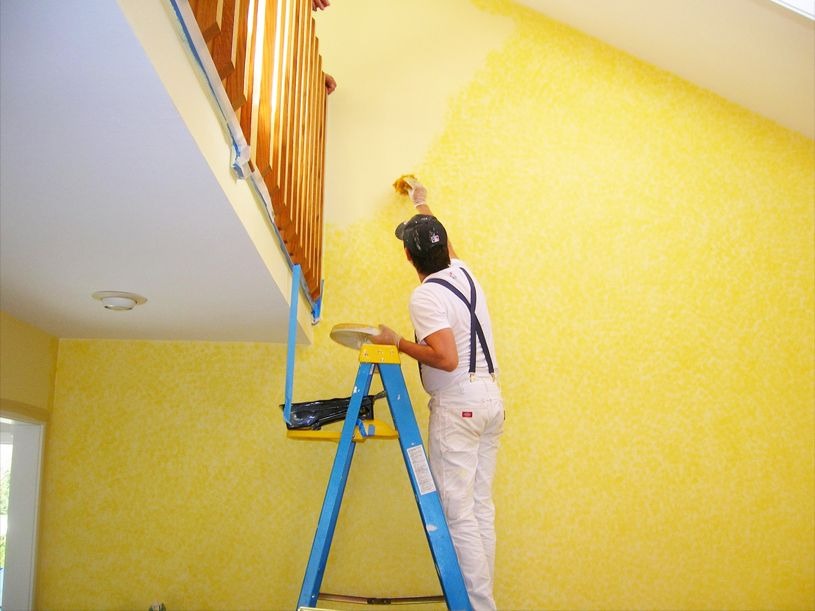
    Choosing the right color scheme can dramatically transform any space, turning a simple room into an inspiring environment. Creative color combinations not only enhance aesthetics but also influence mood and functionality. When selecting colors to elevate your space, it is essential to consider the atmosphere you want to create as well as how different hues interact with each other.

    One effective approach is to blend complementary colors, which are opposite each other on the color wheel. This contrast generates visual interest and energy without overwhelming the senses. For example, pairing deep navy blue with warm burnt orange introduces both calmness and vibrancy in equal measure. Such a combination works well in living rooms or offices where balance between relaxation and stimulation is desired.

    Another strategy involves monochromatic schemes that use varying shades of a single color. This technique creates cohesion while adding depth through light and dark tones. Imagine a bedroom decorated with soft lavender walls accented by richer purple cushions and curtains; this arrangement fosters tranquility yet feels dynamic due to tonal variation.

    Analogous colors offer subtle harmony by placing adjacent hues together on the wheel, such as teal, turquoise, and sea green. These closely related tones evoke natural elements like water or foliage, promoting serenity within spaces like bathrooms or reading nooks.

    Incorporating neutral palettes infused with unexpected pops of bright colors also elevates interiors effectively. Neutrals provide timeless sophistication while allowing accent pieces-such as vivid yellow lampshades or coral throw pillows-to stand out boldly without clashing.

    When working with bold palettes, balancing intensity becomes crucial so that no single shade dominates excessively. Pairing saturated reds with muted grays softens impact while maintaining warmth; similarly, combining mustard yellow alongside cool charcoal achieves modern appeal without harshness.

    Textures further enrich creative schemes by interacting uniquely with light and shadow across surfaces painted in various tones. Matte finishes absorb light subtly whereas glossy paints reflect it vividly; mixing these effects can add complexity even when using limited colors.

    Lighting conditions heavily influence how chosen hues appear throughout the day; natural daylight enhances true pigment qualities whereas artificial lighting may shift perception toward warmer or cooler undertones depending on bulb type used.

    Ultimately, successful color coordination requires experimentation coupled with thoughtful consideration of spatial function along with personal style preferences. Sampling paint swatches under different lighting scenarios before committing helps avoid costly mistakes later on.

    By exploring diverse combinations-from complementary contrasts through nuanced monochromes-anyone can discover innovative ways to revitalize their surroundings creatively while tailoring ambiance precisely for intended uses and moods within their space.