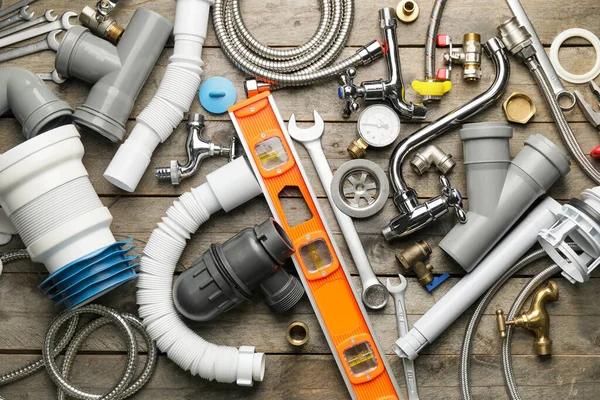
During plumbing emergencies, the process that plumbers follow is both systematic and strategic to ensure quick resolution and minimal damage. When a plumber receives an emergency call, the first step typically involves gathering as much information as possible over the phone. The homeowner or property manager will be asked about the nature of the problem, whether it is a burst pipe, overflowing toilet, or severe leak. This initial assessment helps in determining the urgency and preparing for potential solutions.
Once on site, a thorough inspection is conducted. Plumbers begin by identifying the source of the issue. This may involve tracing water flow through pipes or using specialized tools such as cameras for internal inspections. In cases where water damage has already occurred, they assess how extensive it is to prioritize their actions effectively.
After pinpointing the problem area, plumbers take immediate steps to mitigate further damage. For instance, if there’s a burst pipe causing flooding, they will shut off the main water supply to prevent additional leakage. They might also use temporary fixes like clamps or epoxy putty to control leaks until more permanent repairs can be made.
Communication with clients during this phase is crucial. Plumbers explain what they have found and discuss website possible solutions along with estimated costs and timeframes for repair work. Transparency ensures that clients are informed about what needs to be done and why certain actions are necessary.
The next stage involves executing repairs or replacements based on their findings during inspection. If parts need replacement—such as damaged pipes or faulty valves—plumbers either carry these components with them or arrange for quick procurement from suppliers if not immediately available.
Throughout this process, safety remains paramount; plumbers adhere strictly to safety protocols both for themselves and occupants of affected premises by ensuring proper handling of tools and materials while keeping hazardous areas secure from unauthorized access.
In addition to resolving immediate issues at hand during emergencies like these ones discussed here today , professional plumbers often provide advice on preventive measures homeowners can take moving forward so similar situations do not recur soon after . This might include recommending regular maintenance checks , installation upgrades where necessary (such new pressure regulators) ,or even simple tips such adjusting thermostat settings properly avoid freezing pipes winter months ahead .