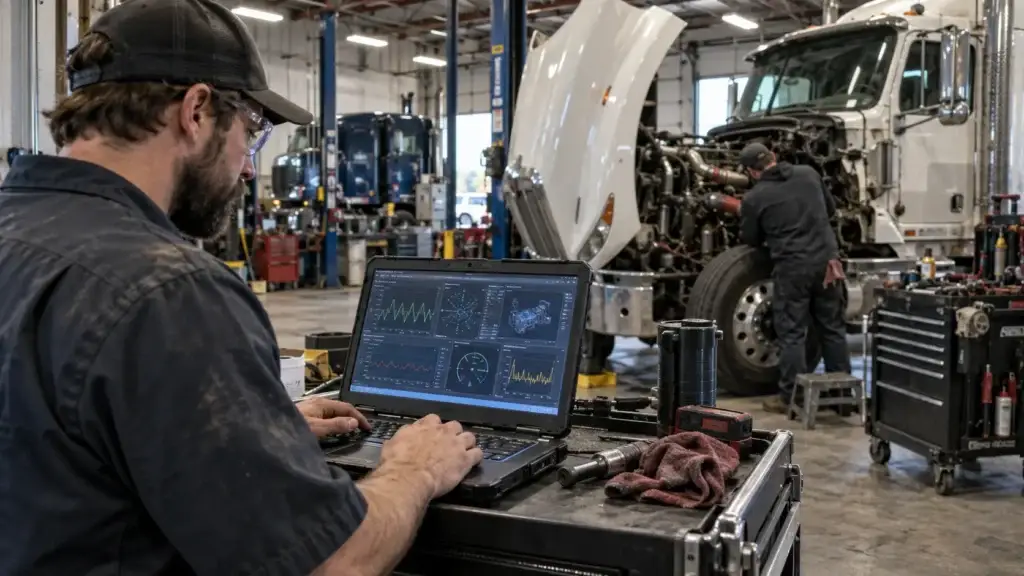
In today’s fast-paced automotive industry, workshops face the constant challenge of managing multiple tasks efficiently while maintaining high standards of service. Diesel repair software has emerged as a vital tool that significantly enhances the operational efficiency of diesel engine workshops. By integrating various functions into a single platform, this technology streamlines daily activities, allowing mechanics and managers to focus more on quality repairs and customer satisfaction.
One of the primary advantages of diesel repair software is its ability to organize work orders systematically. Traditionally, workshops relied on manual methods like paper records or basic spreadsheets, which were prone to errors and misplacement. With specialized software, every job is logged digitally with detailed information about the vehicle, problem diagnosis, parts required, labor hours, and estimated costs. This not only reduces paperwork but also accelerates communication between technicians and administrative staff.
Inventory management is another critical aspect improved by diesel repair software. Workshops often struggle with tracking spare parts availability and ordering replacements promptly. The software maintains real-time inventory data that alerts managers when stock levels are low or when certain components need reordering. This prevents delays in repairs due to missing parts and helps optimize storage space by avoiding overstocking unnecessary items.
Scheduling appointments and allocating resources become much smoother through automated calendar features embedded in most diesel repair solutions. Managers can assign specific jobs to technicians based on their expertise and current workload while ensuring that no appointment overlaps occur. Customers benefit from timely updates about their vehicle status via SMS or email notifications generated automatically by the system.
Furthermore, diagnostic integration capabilities enable mechanics to connect directly with vehicle electronic control units (ECUs) through compatible devices linked with the software. This facilitates quicker identification of faults in complex diesel engines without relying solely on trial-and-error approaches or external diagnostic tools.
Financial management within workshops also gains efficiency through built-in invoicing modules offered by many diesel repair platforms. These allow for quick generation of accurate bills reflecting labor charges plus parts used during servicing-minimizing discrepancies that could lead to disputes or delayed payments.
Reporting features provide valuable insights into workshop performance metrics such as average job completion time, technician productivity levels, revenue trends across different services offered etc., enabling informed decision-making aimed at continuous improvement.
In summary, diesel repair software transforms workshop operations by automating routine tasks related to work order handling, inventory tracking, scheduling appointments, diagnostics integration as well as financial processing-all contributing towards smoother workflows and enhanced customer experiences in an increasingly competitive market environment.