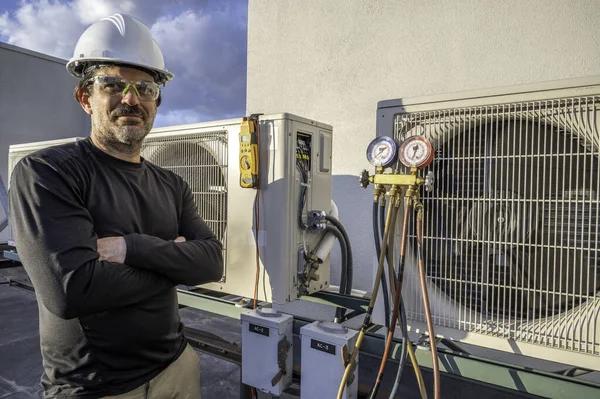
Choosing the right air conditioning system for your home involves considering several factors, including efficiency, installation complexity, cost, and overall comfort. Mini split air conditioners have gained popularity in recent years as an alternative to traditional central AC systems or window units. These systems consist of an outdoor compressor and one or more indoor air-handling units connected by refrigerant lines. Understanding whether a mini split AC is the right choice for your home requires examining its advantages and potential limitations.
One of the main benefits of mini split systems is their energy efficiency. Unlike traditional central air conditioners that cool entire homes through ductwork, mini splits deliver conditioned air directly into specific rooms or zones. This zoned cooling allows homeowners to regulate temperatures independently in different areas, reducing energy waste by avoiding unnecessary cooling in unused spaces. Additionally, many mini splits come with inverter technology that adjusts compressor speed based on demand rather than cycling on and off repeatedly. This feature contributes to lower electricity bills and enhanced performance.
Installation flexibility is another advantage offered by mini split ACs. Because they do not require ductwork, these systems are ideal for older homes without existing ducts or for room additions where extending ductwork would be impractical or expensive. The indoor units can be mounted on walls or ceilings with minimal disruption to the home’s structure and aesthetics. However, professional installation is recommended due to the technical nature of connecting refrigerant lines and ensuring proper system calibration.
Despite these strengths, there are some considerations before opting for a mini split system. Initial costs tend to be higher compared to window units or portable ACs but may be comparable over time when factoring in energy savings and durability. While multiple indoor units can provide whole-house coverage effectively, this setup increases upfront expenses relative to single-unit solutions designed for individual rooms only.
Maintenance requirements are generally straightforward; regular cleaning of filters and occasional servicing help maintain optimal operation over time. Noise levels from indoor units tend to be low compared to other types of air conditioners, contributing positively toward household comfort.
In summary, a Mini Split AC can be a suitable choice if you prioritize energy efficiency, flexible installation options without ductwork modifications, and quiet operation within targeted zones of your home. It works particularly well in older buildings lacking ducts or spaces needing individualized temperature control throughout different seasons. Evaluating your budget alongside long-term savings potential will help determine if this modern cooling solution aligns with your needs better than conventional alternatives available today.