
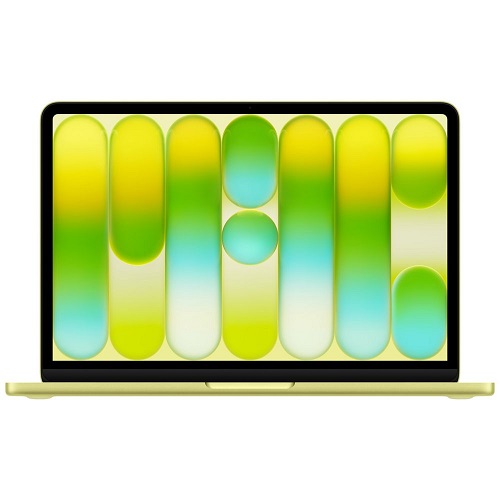
A New Entry‑Level Mac, Powered by the A18 Pro
Apple’s latest foray into the low‑end laptop market is the MacBook Neo, a 13‑inch, fanless notebook that runs the same A18 Pro silicon found in the iPhone 16 Pro. Priced at $599 for the base model (or $899 for the higher‑spec version), the Neo aims to deliver a premium feel and solid performance at a price point that undercuts most Windows competitors.
Core Strengths
Performance: The six‑core CPU and five‑core GPU of the A18 Pro provide smooth web browsing, video calls and document work. Even light video editing feels surprisingly competent for a laptop in this segment.
Build Quality: Apple sticks to an aluminum chassis, giving the Neo a solid, premium feel despite its budget price tag.
Display: A 13‑inch Liquid Retina panel (2408 × 1506, 500 nits, P3) outshines many rivals, offering crisp colors and ample brightness for everyday use.
Value: At $599, the Neo is positioned as a student‑friendly device that punches above its weight class, especially when compared with similarly priced Windows ultra books.
Notable Compromises
Port Selection: The Neo ships with just two USB‑C ports (one full‑speed 10 Gbps/DisplayPort, one USB 2.0) and a 3.5 mm headphone jack. No MagSafe, Thunderbolt or additional USB‑C ports.
Keyboard: The Magic Keyboard lacks backlighting, a rare omission that may deter users who work in dim environments.
Memory & Storage: The base configuration is fixed at 8GB unified memory and 256GB SSD. Neither can be upgraded, limiting the device for power users.
Specification Snapshot
| Feature | Detail |
|---|---|
| Chip | Apple A18 Pro (6‑core CPU, 5‑core GPU, 16‑core Neural Engine) |
| Memory | 8GB unified (non‑upgradeable) |
| Storage | 256GB / 512GB SSD |
| Display | 13.0‑in Liquid Retina, 2408 × 1506, 500 nits, P3 |
| Battery | 36.5Wh, up to 16 h video playback |
| Ports | 2 × USB‑C (10Gbps/DP + USB 2.0), 3.5mm jack |
| Keyboard | Magic Keyboard (no backlight) |
| Trackpad | Large Multi‑Touch |
| Camera | 1080p FaceTime HD |
| Wireless | Wi‑Fi 6E, Bluetooth 6.0 |
| Audio | Dual speakers, dual mics |
| Colors | Silver, Blush, Citrus, Indigo |
| Touch ID | Available on 512GB model |
Charging Realities: Faster Than the “Fast‑Charge” Label Suggests
Apple includes a 20W USB‑C Power Adapter with the Neo (except in the UK/EU, where the laptop ships charger‑less). Independent testing by ChargerLAB shows that the 20W adapter tops out at roughly 18W of actual charging power. A more efficient option is Apple’s 35W Dual USB‑C Port Compact Power Adapter, priced at $59. When paired with the Neo, this charger pushes the laptop to a peak of about 30W, shaving an estimated 20‑30 minutes off a full charge. Higher‑wattage Apple adapters (96W, 140W) do not deliver any additional speed, confirming the 35W unit as the sweet spot. Third‑party 30W plus chargers from brands like Campad Electronics also reach the 28‑30W range, offering comparable performance at often lower prices.
Market Impact
Launched on March 11 2026, the MacBook Neo has already delivered Apple’s “best launch week ever” for a first‑time buyer cohort, according to Tim Cook. By bundling a capable A18 Pro chip with a premium aluminum shell at a sub‑$600 price, Apple is staking a claim in the entry‑level laptop arena that could reshape expectations for budget‑friendly Macs.
Bottom Line
The MacBook Neo isn’t a flagship, it’s a purposeful, well‑crafted laptop that leverages Apple’s silicon advantage to offer performance, display quality and build integrity rarely seen at this price. Its compromises, limited ports, lack of keyboard backlighting and fixed memory, are clear, but for students, casual creators and anyone seeking a solid Mac experience without breaking the bank, the Neo stands out as a compelling choice. Pair it with Apple’s 35W adapter (or a comparable third‑party charger) to get the quickest charge possible without splurging on overkill power bricks.
FAQs
What’s the starting price and what does it include?
$599 for the base 13‑inch model (8 GBRAM, 256 GBSSD, no Touch ID). $899 for the 512GB version, which adds Touch ID.
Which chip powers the Neo and how does it compare to other Macs?
Apple A18 Pro (6‑core CPU, 5‑core GPU, 16‑core Neural Engine). Same silicon as iPhone 16 Pro, delivering entry‑level Mac performance that rivals older Intel‑based 13‑inch MacBooks.
Is the display any good for the price?
13‑in Liquid Retina, 2408 × 1506, 500 nits, P3. Bright and color‑accurate, a step up from most budget Windows ultrabooks.
How long does the battery actually last?
Apple rates it at up to 16h video playback; real‑world mixed‑usage tests hover around 12‑13h.
What’s the optimal charger?
Apple’s 35W Dual‑Port Compact Power Adapter (≈30 W charging), fastest practical option. 20W charger is slower; higher‑wattage bricks (96W, 140W) give no extra speed.
Can I use any USB‑C charger?
Yes, any USB‑C PD charger ≥30W will hit the same ~30W ceiling. Third‑party 30‑35W units work fine.
How many ports does the Neo have?
Two USB‑C ports (one 10 Gbps/DisplayPort, one USB 2.0) plus a 3.5mm headphone jack. No Thunderbolt, MagSafe or extra USB‑C.
Is the keyboard backlit?
No. The Magic Keyboard on the Neo is unlit, a rare omission for Apple laptops.
Can I upgrade RAM or storage?
No. Memory is fixed at 8GB unified; SSD is 256GB or 512GB, non‑upgradeable.
What colors are available?
Silver, Blush, Citrus, Indigo.
Does the Neo support Wi‑Fi 6E and Bluetooth 6.0?
Yes, both are standard.
When does it ship in the EU/UK without a charger?
EU/UK models ship charger‑less due to regional regulations; you’ll need to buy a compatible adapter separately.
How does the Neo stack up against Windows competitors at $600?
Beats most budget ultrabooks on display quality, build (aluminum chassis) and silicon efficiency. Falls short on ports and upgradeability.
Is Touch ID only on the 512GB model?
Correct. The base 256GB version lacks the sensor.
What’s the warranty and service outlook?
Standard Apple One‑Year Limited Warranty with optional AppleCare+ for up to three years. Same service network as other Macs.
Who should buy the Neo?
Students, casual creators and anyone wanting a genuine Mac experience without the $1k+ price tag, provided they can live with limited ports and non‑upgradable specs.